Dizziness disrupting your life? It’s time to regain your balance.
In Short: Are you facing challenges with dizziness or vertigo? Discover how implementing 5 targeted vertigo exercises can significantly improve your stability and overall well-being. These exercises are designed to effectively address common dizziness causes, such as BPPV (benign paroxysmal positional vertigo) and vestibular neuritis. By integrating these practices, you can regain your confidence, reduce feelings of dizziness, and experience enhanced balance in your daily activities. Reclaim your health and wellness at Pulse Align Clinics—where our innovative postural recalibration methods can empower your journey to better stability. Book your appointment today!
Are you struggling with dizziness and balance problems?
Enhancing stability is crucial for those dealing with vertigo, and incorporating effective vertigo exercises into your routine can offer significant relief. At Pulse Align, we introduce five targeted exercises designed specifically to address BPPV (benign paroxysmal positional vertigo), vestibular neuritis, and balance problems. These proven vertigo exercises not only help manage symptoms such as dizziness and anxiety but also foster core strengthening and posture correction. With our holistic approach to vertigo treatment, you can reduce the likelihood of dizziness when standing up suddenly and combat the causes of dizziness in elderly individuals.

Are you struggling with dizziness and looking for ways to enhance your balance and posture? Discover how integrating gentle fitness exercises with innovative solutions such as Pulse Align can help. This unique approach focuses on neuromuscular recalibration to promote a natural sense of balance and well-being.
Understanding Pulse Align’s Approach
At Pulse Align, we recognize that optimal posture improvement is essential for overall wellness. Our methodology focuses on gentle stimulation to recalibrate muscle tone and support the body’s natural healing capabilities. By promoting muscle tone symmetry, we aim to enhance functional balance, guiding clients towards a more stable and aligned posture.
The Benefits of a Holistic Approach
Our clients have experienced a range of benefits from incorporating Pulse Align into their wellness journey, including reduced tension in the body and improved overall comfort. Testimonials highlight how clients feel more grounded and centered, achieving better balance through our holistic and gentle approach. By exercising at home, clients also report improvements in posture and a greater sense of ease in daily activities.
5 Vertigo Exercises to Help Enhance Stability
Here are five exercises that you can incorporate with your visits to Pulse Align for improved stability:
- Epley Maneuver – This exercise is effective for repositioning particles in the inner ear.
- Brandt-Daroff Exercises – A helpful technique for reducing vertigo symptoms through head movements.
- Tai Chi – This gentle practice promotes balance and mindfulness through controlled movements.
- Core Strengthening Exercises – Strengthening your core can enhance stability and posture.
- Vestibular Rehabilitation Therapy (VRT) – Customized exercises aimed at improving balance.
Book a Consultation Today
Ready to explore how Pulse Align can support your journey towards enhanced stability? Whether you reside in Montreal, La Prairie, Terrebonne, or other nearby locations, we invite you to connect with us. Our family-friendly services are designed for all ages—including children and pregnant women. Visit our website to learn more and book your consultation today!
Pulse Align: Your Partner in Wellness
Pulse Align complements your existing healthcare services, fostering a collaborative approach to well-being. As you incorporate our solutions, you can experience natural improvements in balance and comfort. Discover the transformative possibilities—let Pulse Align be your partner in achieving greater harmony and stability in your life.
- Epley Maneuver – Repositioning inner ear particles to alleviate symptoms of BPPV.
- Balance Exercises – Practicing stability through standing on one leg or using a balance board.
- Brandt-Daroff Exercises – Transitioning between sitting and lying positions to adapt to dizziness.
- Tai Chi – Integrating slow, controlled movements to enhance coordination and balance.
- Core Strengthening Exercises – Building trunk strength to support overall stability and reduce dizziness.

Are you struggling with dizziness and looking for effective ways to improve your balance? Integrating specific vertigo exercises into your daily routine can significantly support your journey toward enhanced stability. Especially for those experiencing conditions like BPPV (benign paroxysmal positional vertigo), vestibular neuritis, or Meniere’s disease, these practices can bolster neuromuscular health and foster holistic recalibration of the body. By focusing on posture improvement and core strengthening, you’ll not only alleviate symptoms of dizziness and anxiety but also empower your body to achieve natural balance.
Take Action: Book a Consultation Today!
Ready to take control of your balance and improve your overall well-being? Discover how Pulse Align can support your journey through personalized exercise plans and innovative treatments like shockwave therapy. Book your consultation today and embrace the opportunity to enhance your neuromuscular health through established vertigo exercises tailored to your needs. Visit your nearest Pulse Align clinic, located in areas such as Montreal and La Prairie, and let us guide you toward reclaiming your health and stability.
1. The Epley Maneuver
Considered foundational in the vertigo treatment for BPPV, the Epley maneuver involves a series of controlled head movements that aid in repositioning displaced calcium crystals in the inner ear. This technique not only helps mitigate dizziness episodes but also empowers individuals to engage in dizziness home remedies with ease. Practicing this maneuver regularly can profoundly improve your stability during daily activities.
2. Brandt-Daroff Exercises
The Brandt-Daroff exercises are effective for desensitizing your vestibular system to dizziness triggers. This sequence involves transitioning from sitting to lying positions while turning your head. This exercise specifically addresses dizziness after head injury and helps in building resilience against future dizziness episodes, creating a positive feedback loop for posture correction.
3. Tai Chi
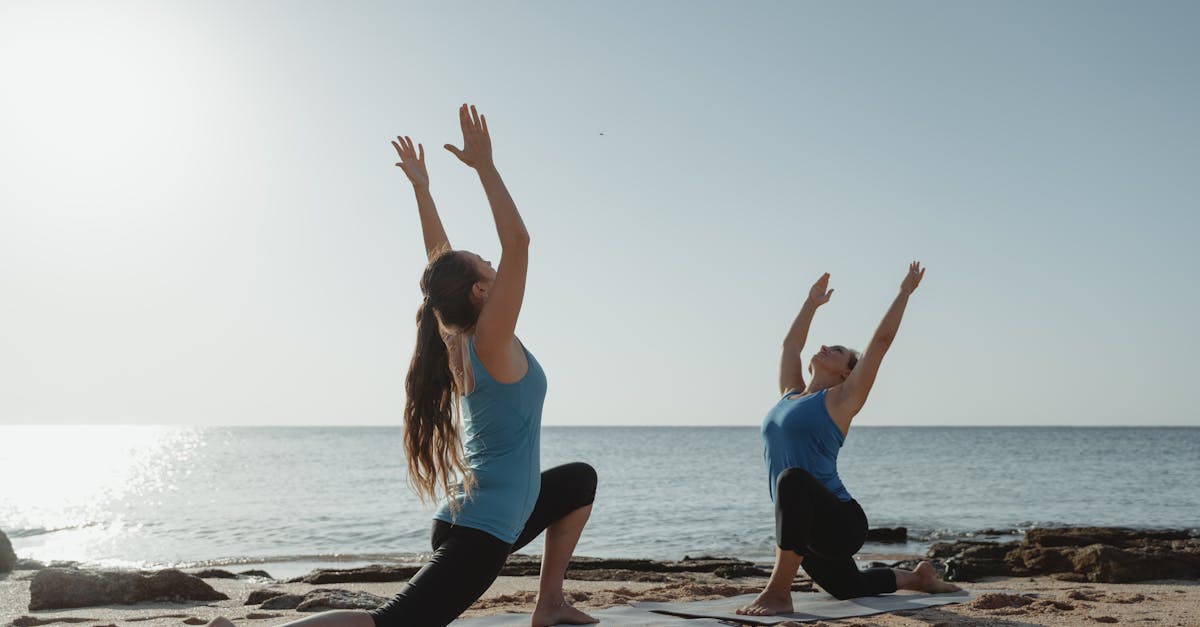
Integrating Tai Chi into your exercise routine can enhance both balance and coordination. The slow, deliberate movements promote core strengthening, while the focus on breath and posture allows for holistic healing. Regular practice fosters greater awareness of body mechanics, contributing to significant reductions in dizziness when standing up suddenly.
4. Core Strengthening Exercises
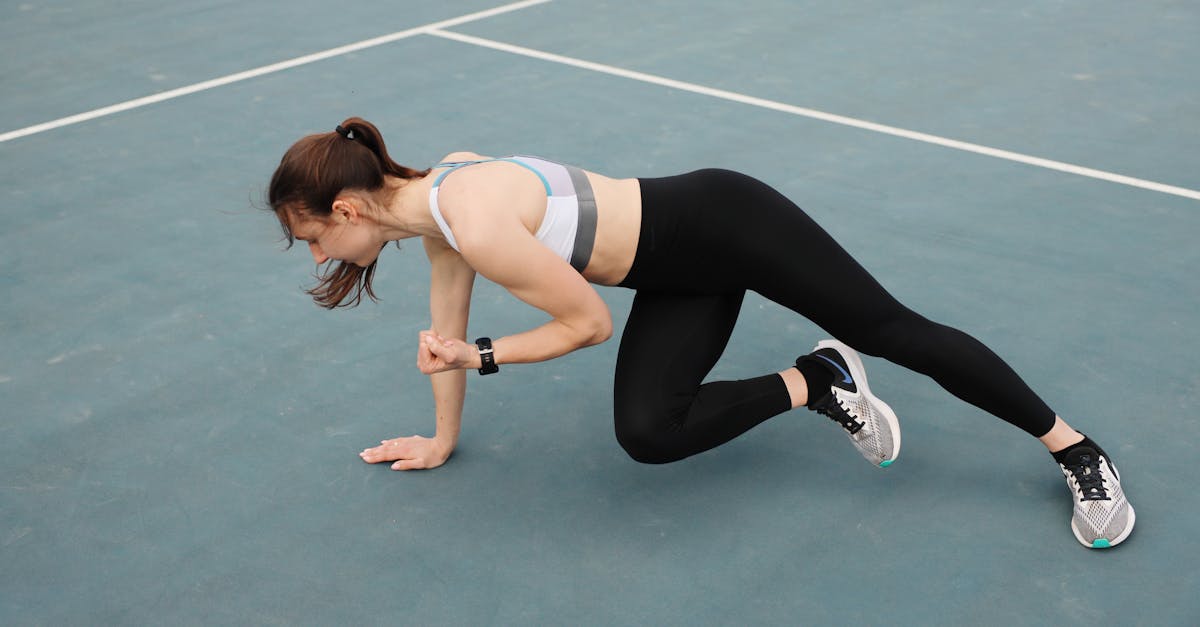
Including trunk-focused exercises such as planks and bridges can greatly benefit your stability. These activities enhance abdominal support, which is vital for reducing balance-related risks. For those experiencing dizziness and anxiety, strengthening your core translates into greater confidence in movement.
5. Gaze Stabilization Exercises
These exercises specifically target the vestibular-ocular reflex, improving your ability to maintain visual stability during head motion. Fixating on a stationary object while moving your head allows for therapeutic reinforcement and progressively better balance, essential for anyone managing dizziness related to vestibular disorders.
| Exercise | Purpose |
| Epley Maneuver | Repositions calcium particles in the inner ear to relieve symptoms of BPPV. |
| Brandt-Daroff Exercises | Helps the brain adapt to vertigo triggers, minimizing symptoms over time. |
| Tai Chi | Enhances overall balance and control through slow, fluid movements. |
| Vestibular Rehabilitation Therapy (VRT) | Custom exercises tailored to strengthen the inner ear and improve balance. |
| Core Strengthening Exercises | Builds abdominal strength to enhance overall stability and prevent falls. |
Client Testimonials: Enhancing Stability Through Wellness Journeys
“My experience with Pulse Align in Châteauguay has been nothing short of transformational. After integrating the recommended vertigo exercises into my routine, I felt a sense of balance I hadn’t experienced in years. The team’s focus on supporting the body’s natural ability to recalibrate truly resonated with me, and the holistic approach provided immense comfort and improvement in my overall wellness.” – Marie L.
“Living in Mont-Royal, I had been struggling with persistent dizziness that severely impacted my daily activities. Since I began incorporating the 5 vertigo exercises suggested by Pulse Align, I have noticed an incredible enhancement in my stability. It’s refreshing to see how their methods support the body’s healing processes; I feel empowered and more confident in my movements.” – David T.
“As a resident of Sainte-Marie, I deeply appreciate the personalized care at Pulse Align. The targeted exercises have not only helped alleviate my vertigo symptoms but have fostered a profound sense of stability in my life. It’s encouraging to know that I am supported by a team committed to nurturing my body’s natural capabilities.” – Isabelle G.
“At Pulse Align in Deux-Montagnes, I have found a holistic healing experience that works. The exercises tailored for my needs complemented their innovative approach, and I can genuinely say my balance has improved significantly. Their dedication to enhancing the body’s natural recovery processes has made a tangible difference in my daily life.” – Paul A.
“I highly recommend Pulse Align to anyone in Chicoutimi dealing with dizziness or balance issues. The gentle, holistic approach they provide made a remarkable impact on my recovery journey. I’ve successfully regained stability, and I feel more grounded and confident in my daily activities.” – Sarah K.
Residents of areas like La Prairie, Mont-Royal, and Terrebone can greatly benefit from Pulse Align’s services. The unique combination of wellness exercises and a focus on holistic recovery empowers individuals to enhance their body functionality naturally. Pulse Align collaborates closely with healthcare teams to support clients and their families throughout their wellness journeys. Discover more about our offerings or find a location near you by visiting Our Clinics.
Dizziness causing you discomfort? Discover how vertigo exercises can help!
In Short: Struggling with vertigo and looking for effective solutions? The article discusses five targeted vertigo exercises that can enhance your stability and improve your quality of life. These exercises are designed to mitigate symptoms associated with BPPV (benign paroxysmal positional vertigo) and other vestibular challenges. By incorporating these practices, you can experience greater balance and reduce feelings of dizziness, ultimately helping you regain confidence in your movements. Reclaim your health and wellness at Pulse Align Clinics; take advantage of our innovative and simple approach to postural recalibration. Book your appointment today!
Are you struggling with dizziness and balance problems?
Discover 5 Vertigo Exercises You Can Combine with Pulse Align for More Stability to effectively manage your vertigo symptoms. These targeted exercises not only address various dizziness causes such as BPPV (benign paroxysmal positional vertigo) and vestibular neuritis, but they also incorporate techniques for core strengthening and posture correction. Pulse Align’s innovative approach enhances the effectiveness of these vertigo treatments, making it easier for individuals to regain stability and reduce dizziness with natural remedies for dizziness and nausea.
Finding a natural, effective way to enhance your well-being and restore posture improvement can seem challenging, especially when managing discomfort. Incorporating neuromuscular recalibration into your wellness routine can lead to improved stability and comfort. Here, we explore simple yet effective vertigo exercises that can be integrated with the innovative solutions offered by Pulse Align.
Understanding Neuromuscular Recalibration
Pulse Align is dedicated to helping clients achieve a renewed sense of balance through a gentle, technological approach that promotes muscle tone symmetry and overall well-being. Their unique methodology focuses on the body’s natural healing processes, providing gentle stimulation to facilitate optimal muscle function. Integrating exercises that specifically target balance and stability can enhance the results of your recalibration experience.
The Benefits of a Holistic Approach
Taking a holistic perspective on health allows you to harness the body’s innate ability to heal itself. Pulse Align’s focus aligns perfectly with the ethos of holistic health by encouraging practices that support natural balance. By performing recommended exercises at home, you can work towards a stronger core and better postural alignment, which are essential for long-term well-being.
Client Feedback
Many clients have shared how incorporating these exercises has enabled them to improve posture naturally and experience less discomfort. For example, individuals report feeling more stable and less unsteady after engaging in tailored exercises and treatments that complement their journey towards better health.
Take the Next Step: Book a Consultation
If you’re ready to embark on a journey toward enhanced stability and wellness, consider exploring the offerings of Pulse Align. Their services, which are suitable for the whole family, including children and pregnant women, can provide a supportive foundation for your wellness goals. Find a Pulse Align clinic near you in cities like Montreal, La Prairie, Terrebonne, and others!
Remember, Pulse Align complements your existing healthcare services, empowering you to take control of your well-being. Discover more about how Pulse Align can support your path to balance and stability by visiting their website and booking a consultation today!
- Epley Maneuver – A specific exercise for BPPV that aligns dizziness triggers.
- Brandt-Daroff Exercises – Helps diminish positional vertigo symptoms over time.
- Tai Chi – Promotes balance and control with slow, deliberate movements.
- Vestibular Rehabilitation Therapy (VRT) – A tailored approach that strengthens inner ear function.
- Core Strengthening Exercises – Enhances overall stability by strengthening abdominal muscles.
5 Vertigo Exercises to Combine with Pulse Align for More Stability
Managing vertigo and its accompanying symptoms effectively requires a multifaceted approach, especially when integrating strategies offered by Pulse Align. This article outlines five essential vertigo exercises that can enhance balance and stability, addressing common dizziness causes such as BPPV (benign paroxysmal positional vertigo), vestibular neuritis, and more. By adopting these exercises, individuals can promote a holistic recalibration of their body while enhancing neuromuscular health.
1. The Epley Maneuver
The Epley maneuver is a cornerstone in the treatment for BPPV. This exercise involves a series of head and body changes aimed at repositioning calcium particles in the inner ear that may cause dizziness. By practicing this maneuver, patients can effectively mitigate episodes of vertigo and relieve the associated distress. It’s advisable to perform this technique under the guidance of healthcare professionals at Pulse Align to ensure efficacy.
2. Balance Exercises
Engaging in targeted balance exercises can greatly improve stability. Simple movements, such as standing on one leg or using a balance board, can foster a better sense of equilibrium. These exercises focus on developing core strength and enhancing your body’s ability to maintain posture, which is vital for those experiencing balance problems.
3. Brandt-Daroff Exercises
The Brandt-Daroff exercises are another effective approach to managing vertigo. These can be done at home and involve transitioning between sitting and lying positions while turning the head. This exercise not only aids in reducing symptoms of BPPV, but also increases the body’s capacity to adapt to dizziness and improves overall body symmetry.
4. Tai Chi for Coordination
Tai Chi offers a holistic way to enhance balance through its gentle, flowing movements. This ancient practice promotes deep breathing while integrating slow, controlled motions that focus on coordination and posture correction. Practicing Tai Chi regularly can become an integral part of a lifestyle aimed at combating dizziness, especially for individuals experiencing conditions like Meniere’s disease or labyrinthitis.
5. Core Strengthening Exercises
Core strengthening plays a key role in supporting bodily stability. Exercises like planks and bridges improve trunk strength, aiding in balance problems associated with dizziness and injuries. By focusing on building core strength, individuals can significantly reduce the risk of falls and enhance overall wellbeing.
Integrating Exercises with Pulse Align
To get the most benefit from these vertigo exercises, consider integrating them into personalized plans at Pulse Align. The clinic provides tailored consultations to ensure each exercise aligns with individual health needs. This guidance helps address specific issues, such as dizziness after head injury or dizziness when standing up suddenly.
Our Mission
At Pulse Align, our mission is to deliver evidence-based, client-centered treatments that address the underlying causes of pain and dysfunction. By integrating advanced techniques and technologies, we strive to empower each person to take control of their health, ensuring a high standard of care, lasting relief, and an improved quality of life.
Learn more about this approach and available services at www.pulsealign.com and find a location near you here: https://pulsealign.com/our-locations/
TAGMED’s Spinal Decompression Therapy: A Non-Surgical Solution for Chronic Pain
TAGMED offers a sophisticated approach to treating chronic pain and disc-related conditions, using advanced Spinal Decompression Therapy. This non-surgical solution is specifically designed to address moderate-to-severe disc issues, including herniated discs, bulging discs, and conditions like spinal stenosis. By gently reducing pressure on affected discs and nerves, this specialized technique enhances mobility, alleviates pain, and supports the natural healing processes of your body. If you’ve reached a plateau with other therapies, discover how TAGMED’s evidence-based approach can help you resume an active, comfortable life.
Have you tried conventional treatments and still struggle with persistent back pain due to a severe disc condition?
Understanding the Mechanism of Action
TAGMED’s neurovertebral decompression applies a controlled, progressive traction force to the spine. This unique method effectively increases the space between vertebrae, significantly reducing pressure on intervertebral discs and nerve roots. By promoting better fluid circulation in the targeted area, this process lowers inflammation and relieves pain, providing a reliable, non-invasive solution for individuals suffering from chronic issues, including sciatica and degenerative disc disease.
Specific Benefits of Neurovertebral Decompression
This non-invasive approach addresses chronic pain and symptoms linked to conditions such as herniated discs and spinal stenosis. By effectively reducing pressure on nerve structures and optimizing fluid circulation around the discs, TAGMED’s technique promotes healing and accelerates recovery. Patients report significant reductions in discomfort and improved quality of life, making this therapy an appealing option for those seeking lasting relief.
Comparison with Other Treatments
Compared to traditional treatments such as pain medications, corticosteroid injections, or surgical interventions, TAGMED’s neurovertebral decompression offers distinct advantages. It eliminates the need for invasive procedures and minimizes medication-related risks, providing a potentially faster path to recovery. Moreover, it offers a compelling alternative for those searching for safer, evidence-based solutions.
Patient Success Stories
Many patients have experienced remarkable improvements through TAGMED’s spinal decompression therapy. Real-world testimonials highlight lasting pain relief, quicker resumption of daily activities, and decreased reliance on pharmaceuticals. These firsthand accounts underscore the tangible results and practical advantages of this innovative therapeutic approach. Patients express gratitude for finally addressing their symptoms of facet syndrome and brachialgia, empowering them to embrace a more active lifestyle.
Explore how TAGMED can transform your experience with chronic pain through innovative non-invasive methods such as laser therapy, shockwave therapy, and osteopathy.
Embrace a New Era of Wellness with Pulse Align
If you’re seeking a natural and holistic approach to enhance your well-being, exploring the benefits of Pulse Align may be just what you need. The five targeted vertigo exercises you can pair with Pulse Align can lead to improved posture correction, reduced discomfort, increased mobility, and enhanced overall wellness. These practices foster a gentle recalibration of your body’s neuromuscular system, allowing for a greater sense of balance and harmony within.
Clients frequently share their positive experiences with Pulse Align, highlighting significant improvements in their everyday lives. Many have reported feeling more stable, less unsteady, and achieving a newfound confidence in their movements. The client-centered approach of Pulse Align emphasizes understanding and respecting the body’s natural healing abilities, ensuring you feel supported throughout your wellness journey.
Ready to take charge of your well-being? Schedule your consultation now to discover how Pulse Align can transform your path to natural pain relief and holistic health. Experience the unique, non-invasive methodologies that empower your body to achieve stability and comfort effortlessly.
Embrace this opportunity for a brighter, healthier future with Pulse Align—a place where your quest for wellness is met with heartfelt support and innovative solutions. Your journey towards a more balanced life begins today!
Do you suffer from a chronic condition that responds little or not at all to conservative treatments?
Pulse Align offers a non-invasive and innovative method that beautifully restores the body’s natural balance and posture through gentle, imperceptible pulses. This approach aims to reduce discomfort and tension in muscles and joints, showcasing a harmonious way to promote well-being without the need for direct medical interventions. At the heart of Pulse Align’s mission is a dedication to helping clients find their path toward a more aligned and comfortable state of being.
Rather than focusing on specific discomforts or conditions, Pulse Align emphasizes a holistic recalibration of the body. This unique approach encourages the body to naturally regain its balance, resulting in remarkable improvements in posture and overall well-being. Clients often find that as muscle tone symmetry is enhanced, they experience less tension and a greater sense of comfort in their daily lives.
The personalized approach at Pulse Align is designed to cater to individual needs. Many clients have shared their positive experiences, noting improvements in tension and balance through this gentle method. For instance, testimonials highlight a newfound ease in daily activities, all attributed to the body’s remarkable ability to enhance its own function and regain equilibrium. Clients appreciate the welcoming atmosphere that the Pulse Align team offers, making it a favored choice for families seeking comprehensive support.
To explore more about these transformative services, we invite you to visit the Pulse Align website. Whether you’re in La Prairie, Mont-Royal, Terrebonne, or other local areas, booking a consultation for yourself or your family is simple. Keep in mind that Pulse Align’s services are designed to complement your existing healthcare team, enhancing your overall wellness journey without overshadowing any conventional care you might be receiving.
Discover the advantages of a safe, non-invasive, and family-friendly approach to well-being by visiting Pulse Align. Schedule your appointment online today and embark on a journey towards improved stability and balance gently and naturally.
Frequently Asked Questions
Vértigo
Les infections de l’oreille peuvent-elles provoquer des vertiges ?
Oui, une infection ou une inflammation de l’oreille interne (névrite vestibulaire) peut provoquer des vertiges soudains et intenses.
What’s the difference between vertigo and dizziness?
Vertigo involves a spinning sensation, while dizziness is a feeling of lightheadedness or weakness without rotation.
¿La cafeína agrava la enfermedad de Ménière?
Reducir la cafeína, la sal y el alcohol suele recomendarse para manejar mejor los síntomas de Ménière.La kinésithérapie vestibulaire est-elle efficace ?
Oui, elle permet de rééduquer le système de l’équilibre, aidant à compenser les dysfonctionnements de l’oreille interne.
Does anxiety worsen vertigo?
Yes, fear of vertigo can create a vicious cycle, increasing anxiety and instability.
La manœuvre d’Epley est-elle efficace contre le VPPB ?
Oui, cette manœuvre permet de repositionner les cristaux dans l’oreille interne, soulageant les vertiges dans la plupart des cas.
Does vestibular rehab take long?
Duration varies by cause and severity. Improvement may take weeks to months.
Does getting up too fast cause vertigo?
Standing quickly can cause orthostatic hypotension and dizziness, though not always true vertigo.
Une carence en vitamine B12 peut-elle causer des vertiges ?
Une carence sévère peut entraîner divers symptômes neurologiques, dont des étourdissements, mais c’est moins fréquent.
¿Los problemas cervicales causan vértigo?
Las tensiones cervicales pueden contribuir a una sensación de inestabilidad, pero el vértigo cervicogénico puro es menos común.

Zoé Rousseau believes that knowledge is the most powerful step toward healing—and she’s here to illuminate the path forward for anyone facing the challenges of vertigo. At Pulse Align, Zoé not only highlights the latest breakthroughs in neuromodulation and non-invasive health technologies but also translates complex research into practical, everyday guidance. Her approach is grounded in empathy and fueled by a genuine drive to help readers find balance, both literally and figuratively. From exploring advanced treatments to sharing firsthand patient stories, Zoé’s heartfelt advocacy ensures that no one has to face the spinning world of vertigo alone.
Medical Disclaimer
The information and advice provided on this site do not replace the advice, diagnosis, or treatment of a healthcare professional. Please note that the author of this article is neither a doctor nor a specialist in a medical specialty as defined by the Collège des médecins du Québec. Manual medicine, functional medicine, and sports medicine as described on this site exclude any medical treatment or diagnosis made by a doctor or medical specialist. Always consult your doctor for any medical questions. For more details, please read our complete Legal Notice.